 Home
Home


For further details, please contact us.
Contact Us
How a Power Capacitor Corrects Power Factor
A power capacitor is a shunt-connected device that supplies reactive power to an electrical system, offsetting the lagging reactive current drawn by inductive loads such as motors, transformers, and welding equipment, and in doing so raises the system's power factor.
Motors and other inductive loads draw two components of current: active current that does real work, and reactive current that builds and collapses magnetic fields. That reactive current lags the voltage waveform, pulling the power factor below 1.0 and increasing apparent current on cables, transformers, and switchgear.
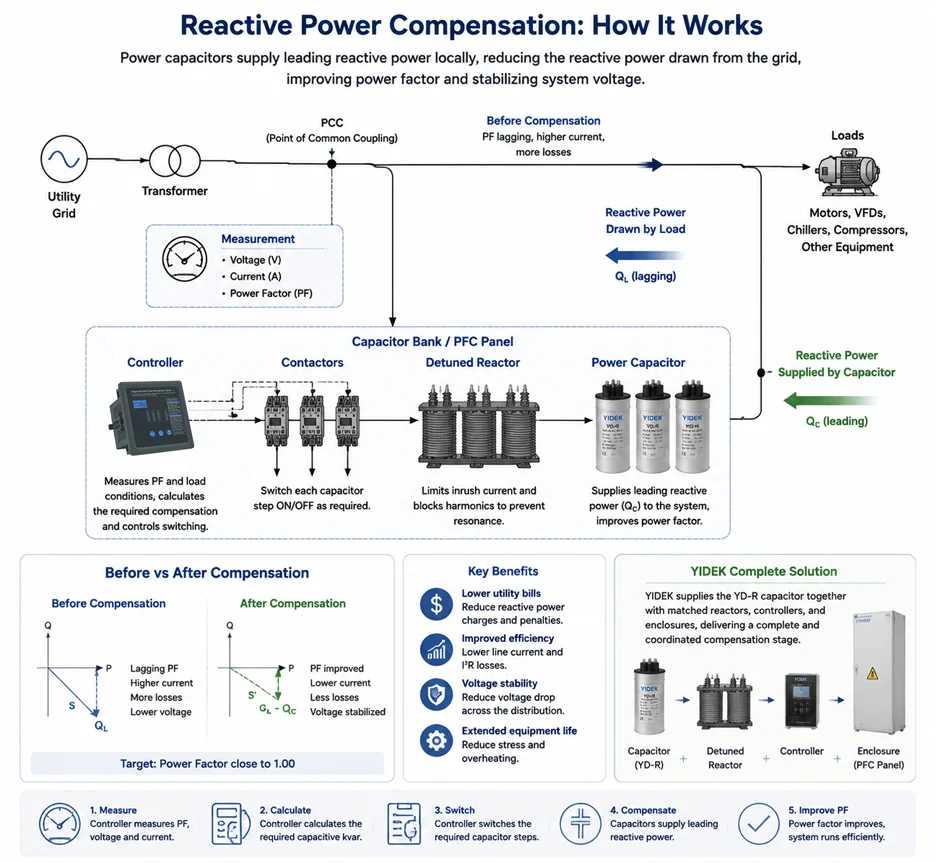
A power capacitor connected in parallel with the load supplies leading reactive current locally, so less reactive power needs to travel from the utility feeder, which brings the measured power factor closer to unity, reduces line losses, and frees up transformer and cable capacity for productive load.
Inside a Self-Healing Power Capacitor
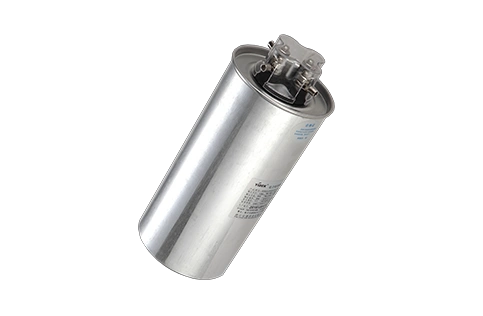
Most power capacitors used in low-voltage compensation today, including YIDEK’s YD-R series, are built from metallized polypropylene film rather than oil-filled elements. The metallized layer is thin enough that a localized dielectric breakdown vaporizes the metal around the fault point and clears itself in microseconds, a property known as self-healing. This construction is also why the units are compact: the YD-R series weighs only about a quarter to a fifth of a traditional capacitor of the same rating, and there is no oil to leak or dispose of.
The YD-R series covers a rated voltage range of 0.23 to 1.14kV and a rated capacity range of 1 to 60kvar, with active loss kept to 0.2W/kvar or below. A built-in discharge resistor brings residual voltage down to below 75V within 150 seconds after disconnection, and an internal over-pressure protection element automatically breaks the circuit if the capacitor develops a fault, rather than allowing case rupture.
The units are designed for a maximum allowable overvoltage of 1.10 times rated voltage and 1.30 times rated current, and they comply with IEC 60831:2014 and GB/T 12747-2017, with a working temperature range of -25°C to +55°C.
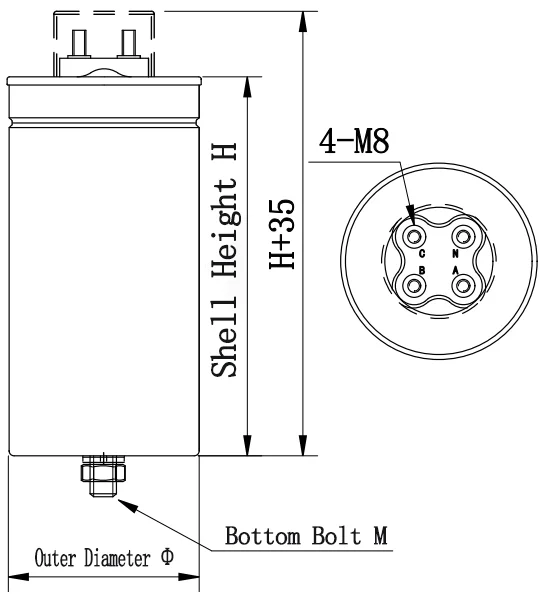
Three-phase common compensation capacitor:

Three-phase separate compensation capacitor:
Where Power Capacitors Fit in Your PFC System
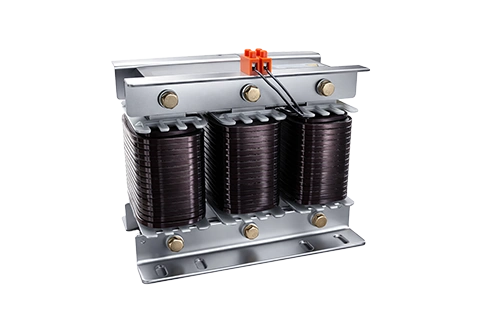
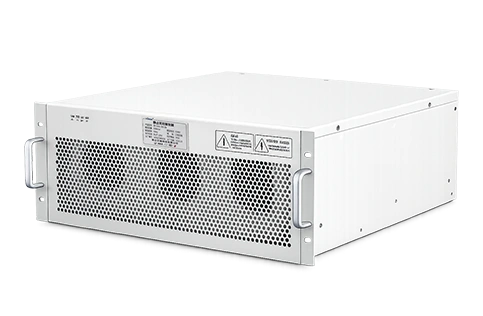
In practice, a power capacitor is rarely installed alone. It is grouped into steps inside a capacitor bank or PFC panel, switched by contactors or a smart controller as load conditions change, and, on facilities with variable-frequency drives or other harmonic-generating equipment, it is typically protected by a detuned reactor to avoid resonance with system harmonics.
For plants across Southeast Asia and the Middle East running motor-heavy production lines, chillers, or compressors, correctly sized power capacitors reduce reactive power charges on the utility bill and reduce voltage drop across the site's internal distribution.
YIDEK supplies the YD-R capacitor together with matched reactors, controllers, and enclosures so the compensation stage can be specified as a complete, coordinated system rather than a single component. If your facility also suffers from harmonic distortion, you may consider pairing capacitors with active harmonic filters or SVG units for comprehensive power quality improvement.
Contact our engineers for power capacitor selection guidance tailored to your facility's load profile.
Related Reading
-
Smart Capacitor Modules for Low-Harmonic Environments
-
Dry-type vs oil-immersed power capacitors: how to choose for your application
-
Power Capacitor & Reactor Product Details
-
Harmonic Mitigation Solutions for Industrial Plants
-
Voltage Stability & Regulation Solutions