
 Home
Home


For further details, please contact us.
Contact Us
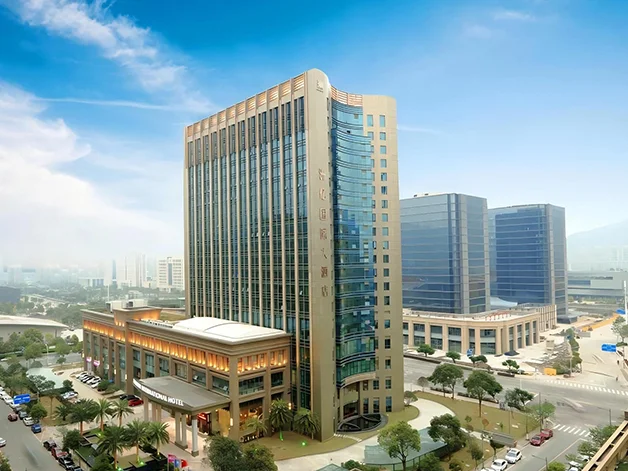
Project: Ruidu Zhouyi International Hotel — Power Distribution System Renovation
Location: Longwan District, Wenzhou, China
Challenge: Low power factor, severe three-phase imbalance, rising energy consumption
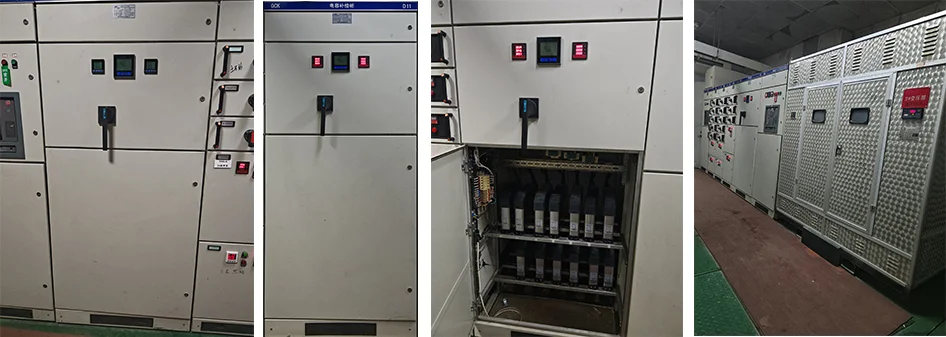
Solution: YD-868 Series Intelligent Capacitors
Key Results: Power factor significantly improved, energy consumption reduced, equipment stability enhanced
This case study examines how a five-star hotel with over 100 guest rooms and daily hot water demand exceeding 100 tons addressed its growing power quality challenges through an intelligent reactive power compensation solution.
Project Background: The Challenge
The Ruidu Zhouyi International Hotel is a five-star, high-end hotel located in the heart of Wenzhou’s Longwan District. It features hundreds of guest rooms and comprehensive banquet and conference facilities.
With the expansion of equipment and rising energy demands, the hotel’s existing power distribution system began experiencing a series of interrelated problems:
| Issue | Impact on Operations |
|---|---|
| Low power factor | Increased electrical losses; exposure to utility penalty charges |
| Three-phase imbalance | Uneven load distribution; overheating of equipment on heavily loaded phases |
| Rising energy consumption | Escalating electricity costs without corresponding increase in useful output |
These problems not only increased power loss but also posed a threat to the safe operation of precision equipment. An intelligent power compensation solution was urgently needed to ensure stable power supply while achieving green energy conservation goals.
Industry context: According to research cited by the U.S. Department of Energy’s Office of Scientific and Technical Information (OSTI), the benefits of adding shunt capacitors to a power system have long been recognized—improved voltage profile, lower system losses, and better system power factor. Capacitors effectively supply reactive power to the system, relieving the system source of this burden. For commercial buildings with HVAC and water heating loads dominated by induction motors, the economic case for power factor correction is particularly compelling.
The Solution: YD-868 Series Intelligent Capacitors
To address these challenges, the hotel implemented a solution centered on the YD-868 Series Smart Capacitor—an intelligent power quality improvement device.
How the solution works:
The YD-868 smart capacitor responds to load changes in real time, automatically adjusting reactive power to optimize system performance. Through advanced reactive power compensation and system optimization design, it effectively improves the operating efficiency of the power distribution system.
Key characteristics of the deployed solution:
| Aspect | Description |
|---|---|
| Compensation method | Automatic, real-time reactive power adjustment based on load conditions |
| System design | Simple structure, reliable operation |
| Control logic | Responds to load fluctuations without manual intervention |
| Integration | Designed for existing power distribution infrastructure |
The entire system boasts a simple structure and reliable operation, ensuring more stable and efficient power supply.
Technical note: The YD-868 Series is part of YIDEK’s broader intelligent capacitor product line, which includes models designed for both standard and harmonic-polluted environments. For full details on our product lineup, explore the YD Series smart capacitor modules.
Results: Measurable Improvements
Following the renovation, the power distribution system’s power quality improved significantly, and overall operational efficiency rose sharply.
Key outcomes reported:
| Metric | Result |
|---|---|
| Power factor | Significantly improved through automatic reactive power compensation |
| Energy consumption | Effectively reduced |
| Power losses | Unnecessary losses eliminated |
| Equipment stability | Enhanced; system failure rate significantly reduced |
| Electricity costs | Significant savings achieved |
The application of the YD-868 intelligent capacitor effectively reduced system energy consumption, eliminated unnecessary power losses, and significantly saved electricity costs.
Equipment operational stability was enhanced, and the system failure rate was significantly reduced, providing a reliable guarantee for long-term stable operation.
Beyond the quantifiable metrics:
This renovation not only enhanced energy management but also created greater value for the customer. The improved power quality means:
-
Reduced risk of equipment damage from poor power quality
-
Extended service life of electrical infrastructure
-
Enhanced guest experience through uninterrupted operations
-
Contribution to the hotel’s sustainability goals
Key Takeaways for Commercial Building Operators
For facility managers and building owners evaluating similar improvements, several lessons emerge from this case:
1. Power Quality Issues Are Often Invisible—Until They Aren’t
Low power factor and three-phase imbalance don’t cause immediate failures. Instead, they gradually increase energy costs, accelerate equipment aging, and reduce system capacity. Regular power quality audits can identify these issues before they escalate.
2. Automatic Compensation Is Essential for Variable Loads
Hotels have highly variable load profiles—low at night, high during meal services and peak occupancy. Fixed capacitor banks cannot adapt to these fluctuations. Automatic systems like the YD-868 adjust in real time, ensuring optimal compensation at all load levels.
3. The Business Case Extends Beyond Electricity Savings
While electricity cost savings are the most tangible benefit, improved equipment reliability, reduced failure rates, and extended equipment life deliver additional value that compounds over time.
4. Simple, Reliable Systems Matter
In hospitality environments where guest experience is paramount, system reliability is non-negotiable. The YD-868’s simple structure and reliable operationmean fewer maintenance interventions and lower risk of service disruptions.
Understanding these outcomes is critical for any commercial building operator considering similar improvements. To explore how these principles apply to your facility, you can refer to our power factor correction solutions page.
Next Steps: From Case Study to Decision
This case demonstrates that intelligent reactive power compensation can deliver measurable operational and financial benefits for commercial buildings with significant motor-driven loads—particularly hotels with extensive HVAC and water heating systems. The key success factors are: proper system sizing, automatic compensation for variable loads, and reliable equipment with proven performance.
If you are evaluating similar improvements for your facility, the next logical step is to understand the specific product options and how they compare. You can review the YD series smart capacitor modules for applications requiring automatic compensation, or explore the power capacitor and reactor series for more standard configurations.
For facilities with significant harmonic challenges, understanding the capabilities of active harmonic filters and static var generators can help inform whether a capacitor-only solution is sufficient—or whether active filtering is also required.