 Home
Home


For further details, please contact us.
Contact Us
According to the "12th Five-Year Plan for the Development of Electric Vehicle Technology," 400,000 charging piles and 2,000 charging and battery swapping stations were to be built by the end of 2015. However, by the end of 2014, only 28,000 charging piles and 723 charging stations had been built nationwide, with a ratio of new energy vehicles to charging piles of approximately 4:1, far from the standard 1:1. The "13th Five-Year Plan" further increased the scale of charging pile and station construction, aiming to reach 4.5 million charging piles and 12,000 charging and battery swapping stations by 2020.
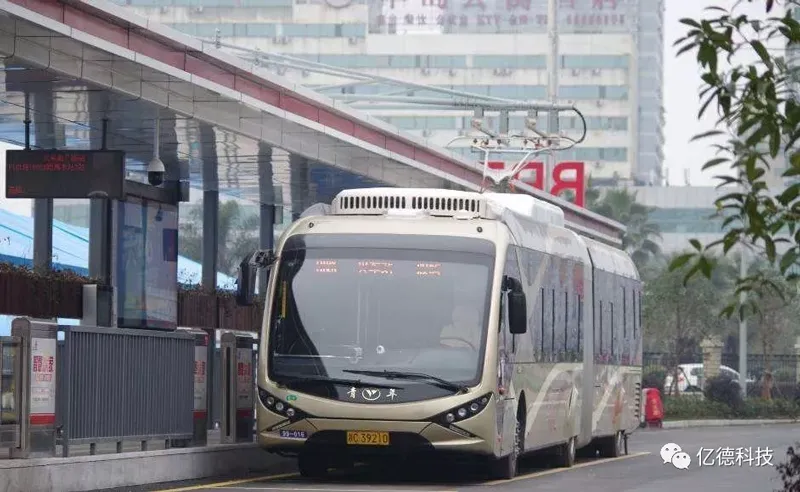
The rapid development of charging piles
Development of charging piles
As technology advances across various industries, the demand for power quality is also increasing. On December 28, 2015, the General Administration of Quality Supervision, Inspection and Quarantine, the Standardization Administration of China, the National Energy Administration, the Ministry of Industry and Information Technology, the Ministry of Science and Technology, and other departments jointly released five newly revised national standards for electric vehicle charging interfaces and communication protocols in Beijing. The new standards came into effect on January 1, 2016. But has the implementation of the new standards truly solved all the problems in the charging pile industry?
In terms of safety, the new standard adds functions such as charging interface temperature monitoring, electronic lock, insulation monitoring, and discharge circuit, refines the safety protection measures for DC charging vehicle-end interface, and explicitly prohibits the application of unsafe charging modes, which can effectively avoid accidents such as electric shock and equipment fire, and ensure the safety of electric vehicles and users during charging.
In terms of compatibility, the AC and DC charging interface types and structures are compatible with the original standards. The new standard has modified some contact and mechanical lock dimensions, but the old and new plugs and sockets can be used together. The electronic locking device added to the DC charging interface does not affect the electrical connection between the old and new products. Users only need to update the communication protocol version to ensure that the new power supply equipment and electric vehicles can guarantee basic charging functions.
Schematic diagram of the charging pile system
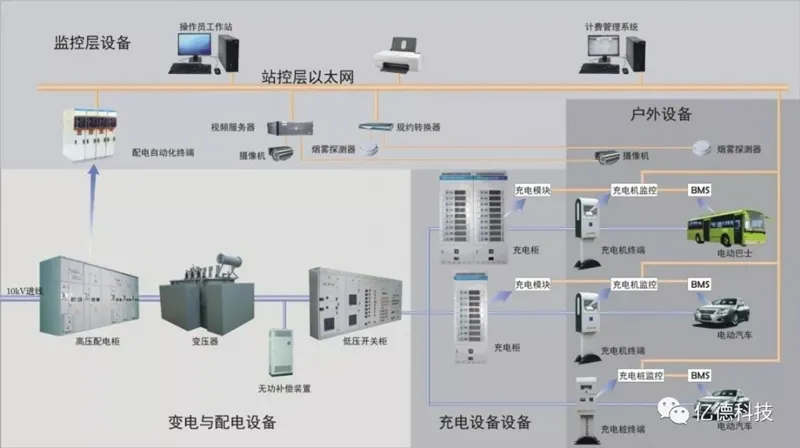
Charging Pile System
The charging pile system consists of five major systems: power substation and distribution equipment system, charging equipment system, outdoor equipment system, and monitoring layer equipment system. The high-voltage voltage transmitted from the power grid is stepped down to low-voltage voltage through high-voltage distribution and transformers, and then transmitted to the charging pile through a low-voltage switch. The charging cabinet then rectifies, filters, and amplifies the current to ensure that the voltage and current reach the required values.
The new standard merely makes the industry more standardized and unified, but it mainly targets outdoor equipment systems, such as charging pile interfaces, and does not make any requirements for power quality. Therefore, the charging pile industry often overlooks power quality issues, such as common imbalances, flicker, fluctuations, and harmonics, but harmonic pollution is the most prominent.
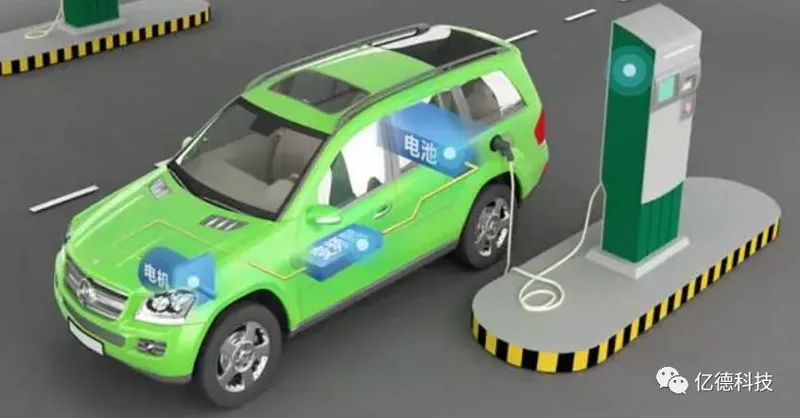
Harmonic pollution from charging piles
The production process of BRT electric vehicle batteries typically uses three-phase bridge rectifiers composed of silicon-controlled rectifiers (SCRs) as formation equipment. However, these devices impose a high-power nonlinear load on the power grid, resulting in significant harmonic pollution. The harmonic effects are even more direct on the charging industry.
1. Externally to the power system, harmonics can cause serious interference to communication and electronic equipment, which can easily lead to errors in cost calculation and cause costs to deviate from reality.
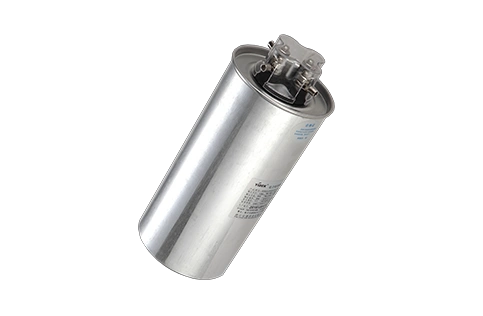
2. Harmonics can cause local parallel or series resonance in the power system, amplifying the harmonic content and causing equipment such as capacitors to burn out.
3. Harmonics can also cause relay protection and automatic devices to malfunction, leading to confusion in electricity metering.
4. Harmonics reduce the efficiency of power generation, transmission, and utilization, cause electrical equipment to overheat, and cause insulation to age, shorten service life, or even cause failure or burnout.
How to solve the harmonic problem in charging piles
The main approaches are as follows:
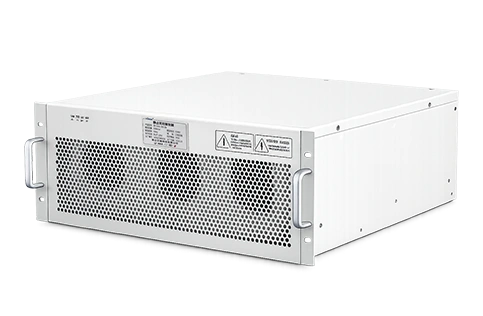
1. Install a YDK-SVG static var generator to improve the power supply system's ability to withstand harmonics.
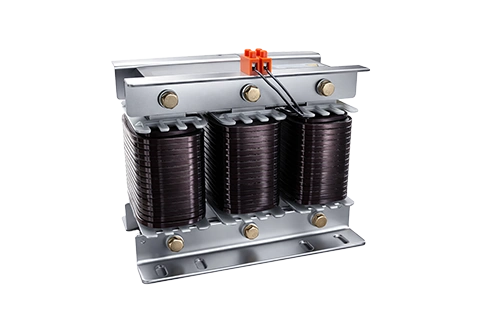
2. Install filtering devices (including passive and active filters).
3. Standardize charging piles and select core control modules with strong anti-interference capabilities.
4. Address power quality issues in accordance with national standards.
Case Study of Charging Stations at Wenzhou BRT Longwan Transportation Center
Charging Pile Power Quality Management Project
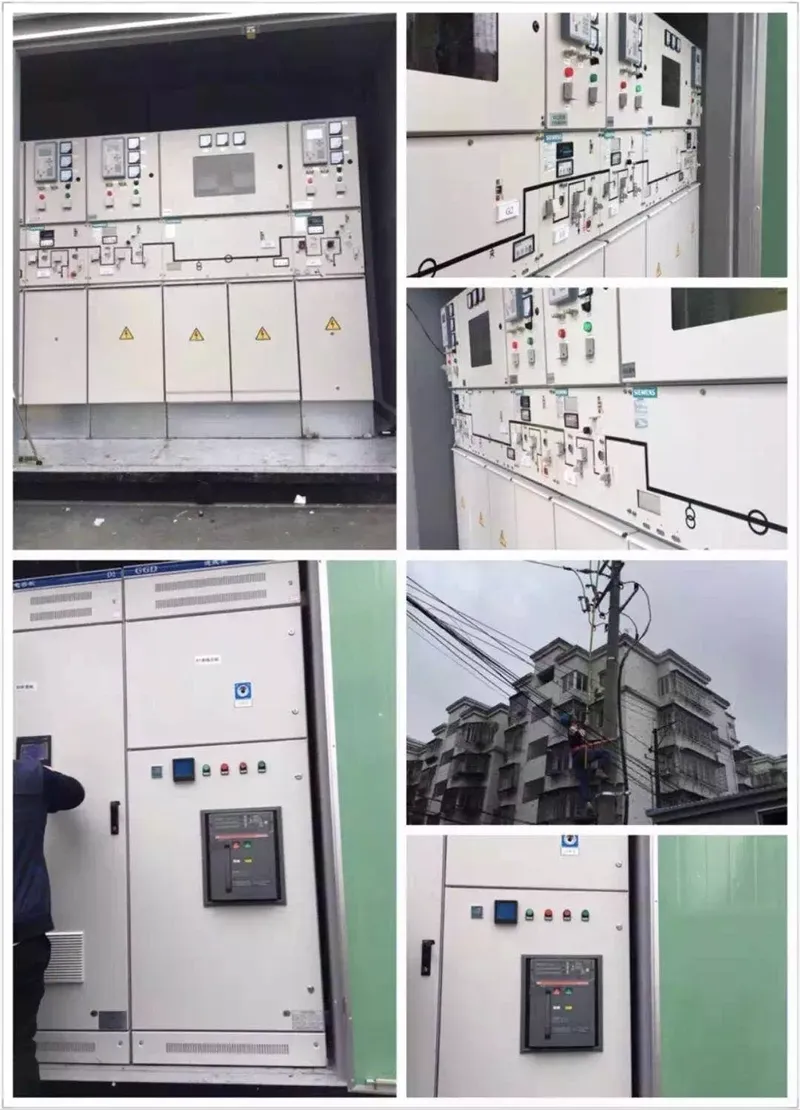
Case studies from 2015
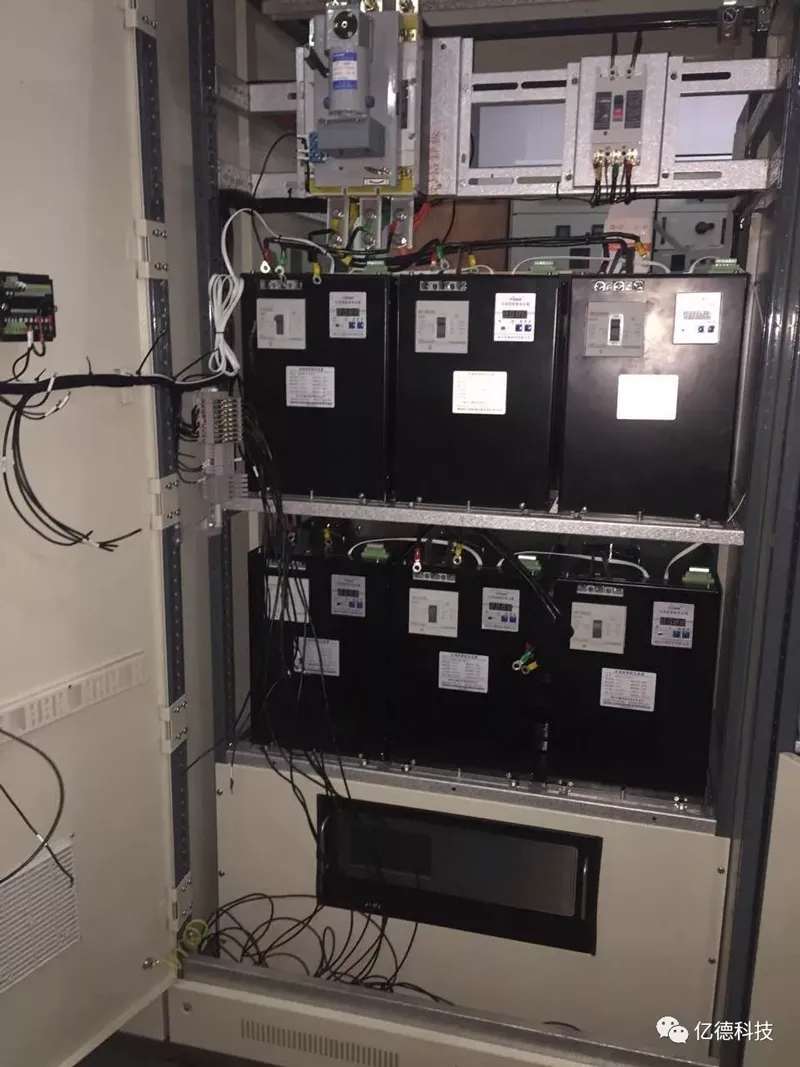
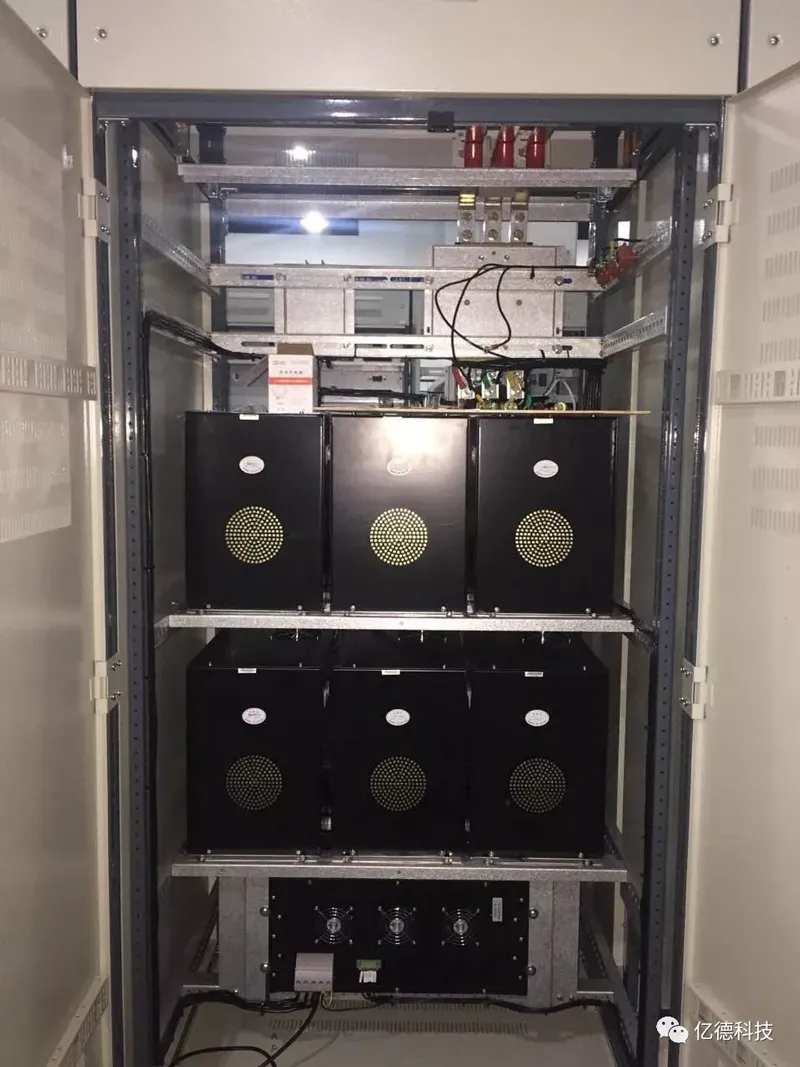
Bonded Logistics Center TSVG Case Study
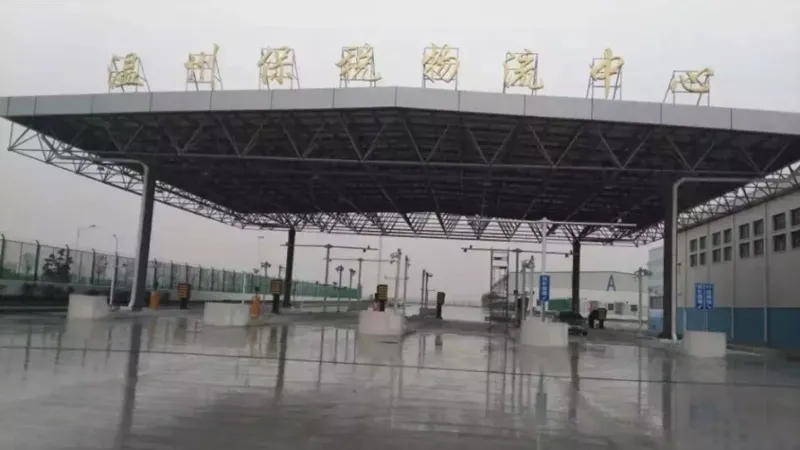
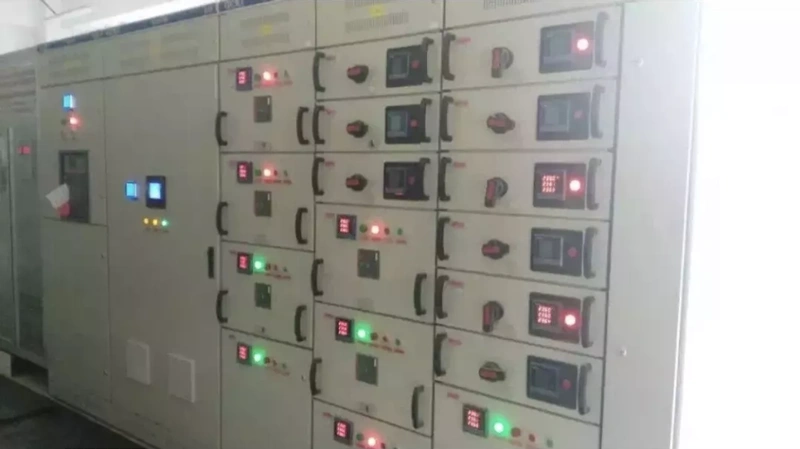
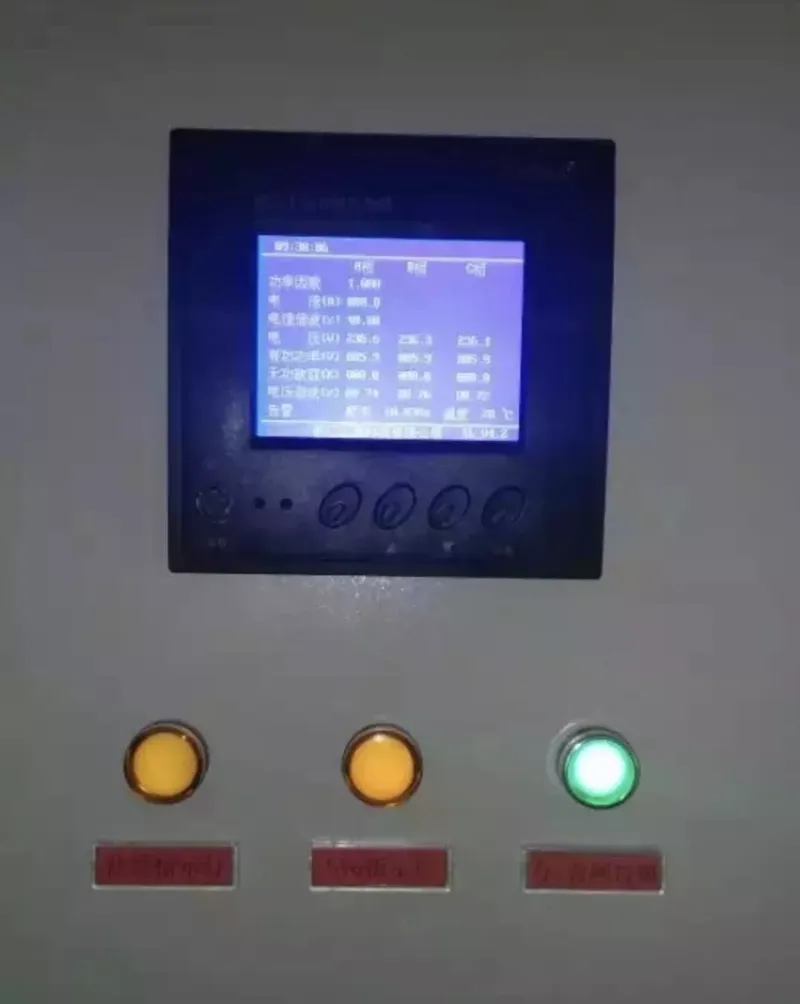
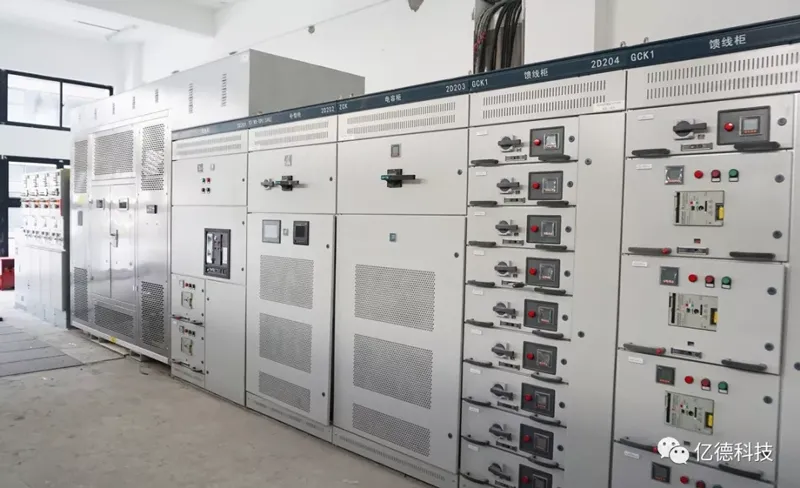
Charging Pile Power Distribution Room
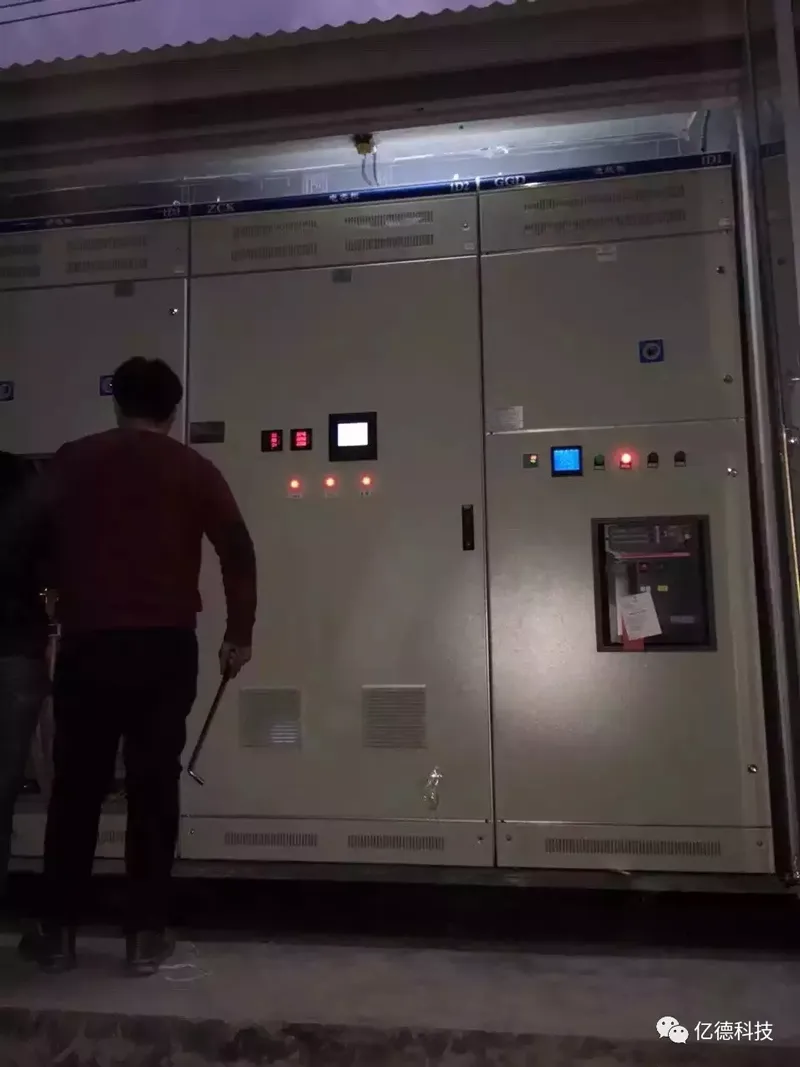
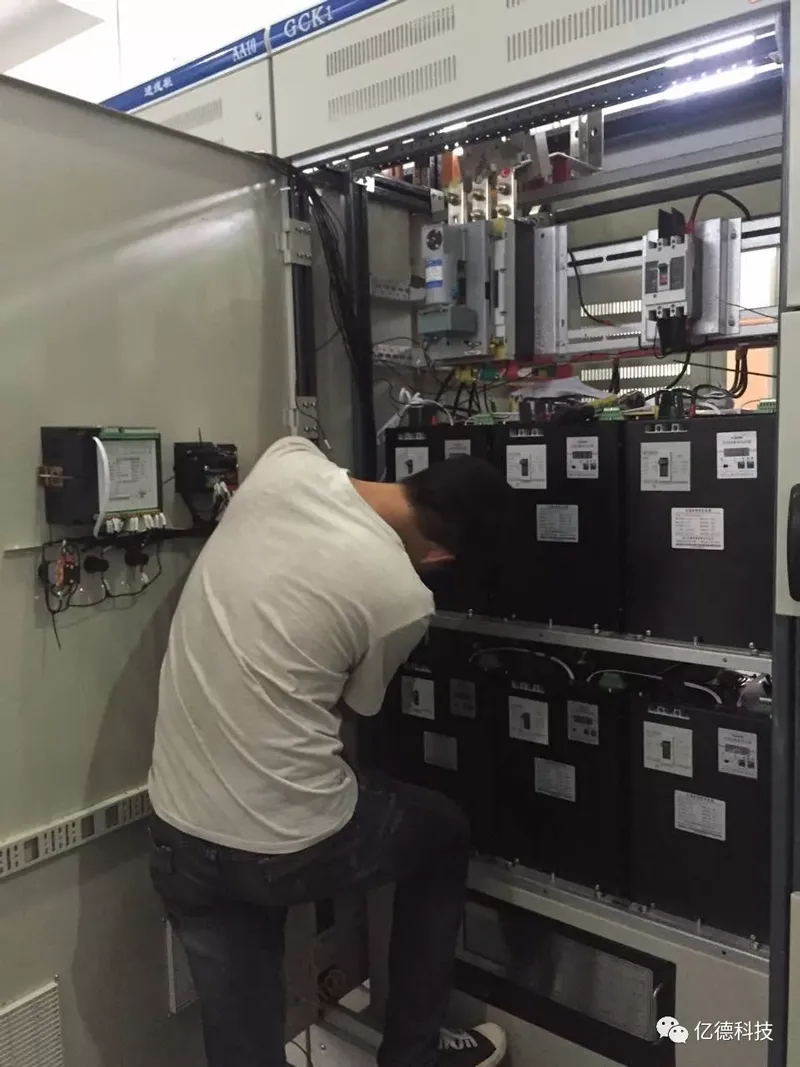
Reactive power compensation cabinet
Case studies from 2016
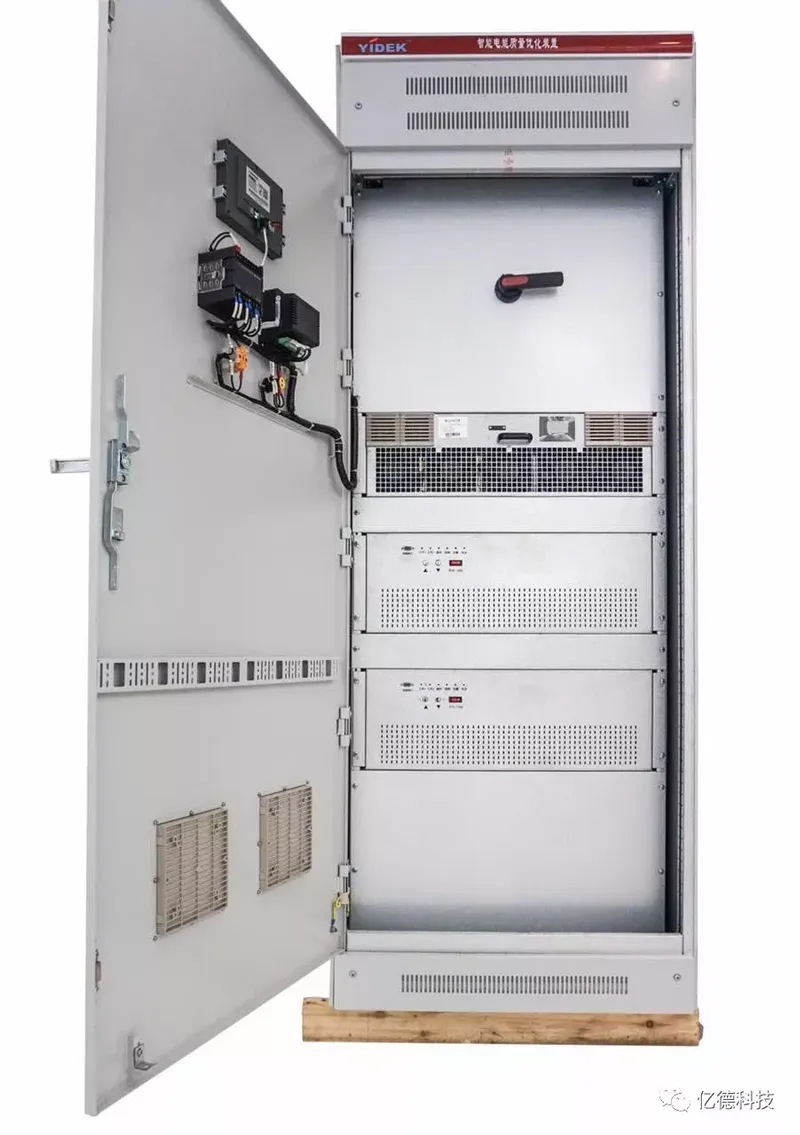
Vienna International Hotel Project
2017 Case Studies
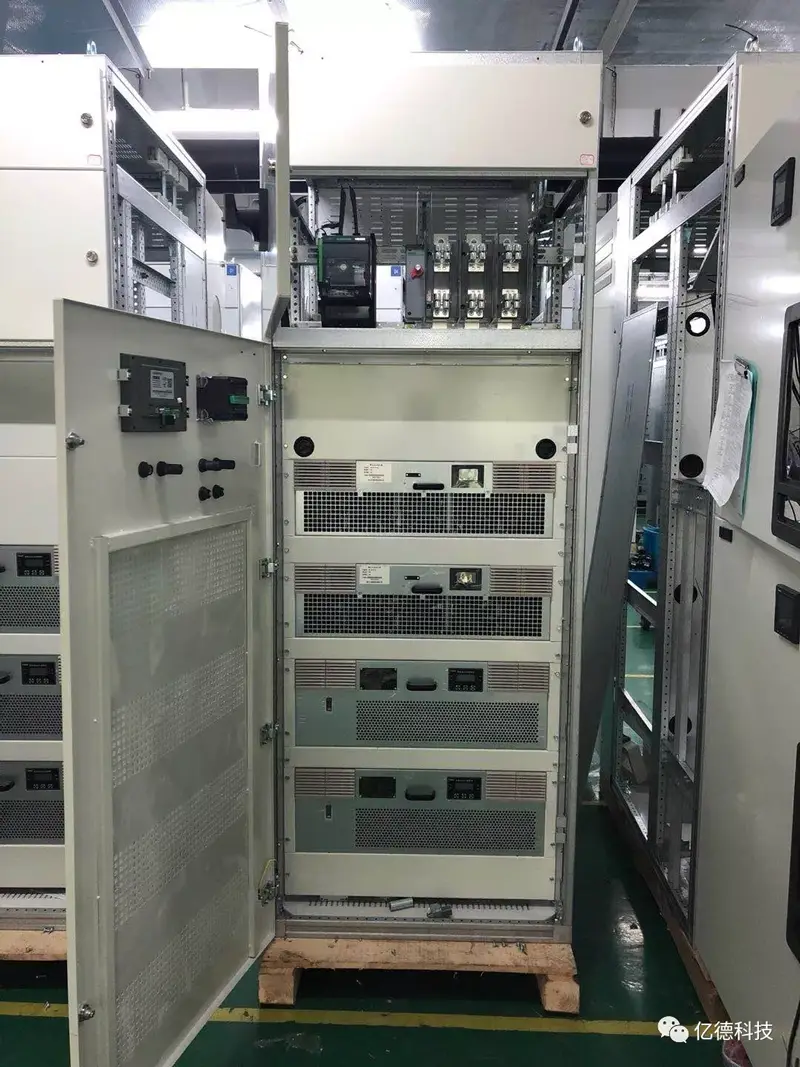
Agricultural Bank of China Wenzhou Headquarters (Wenzhou Convention and Exhibition Center)
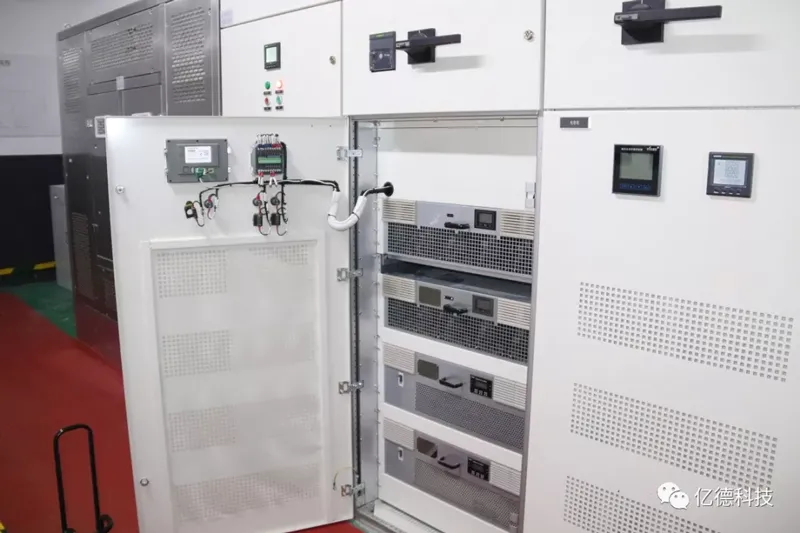
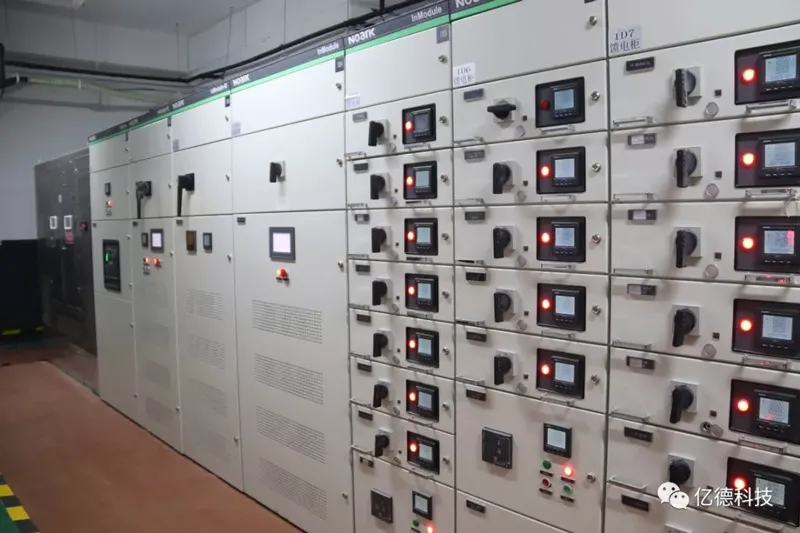
2018 Case Studies
Power Distribution for the New Plant of Aihao Pen Industry
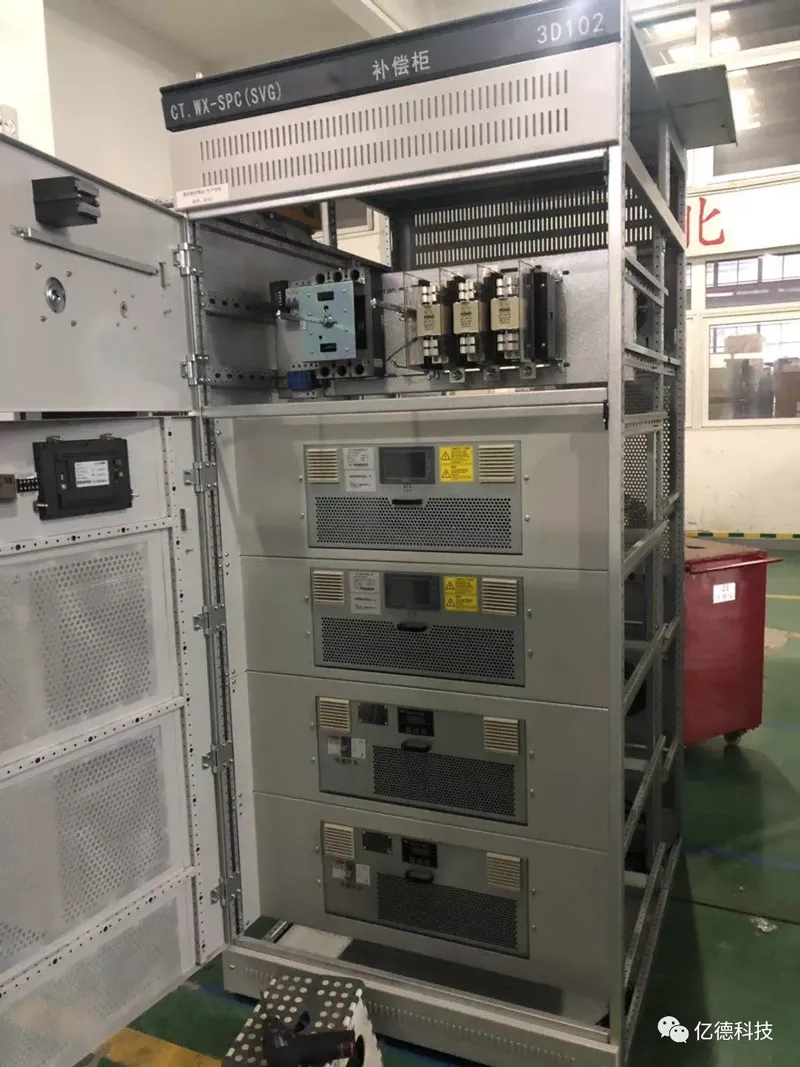
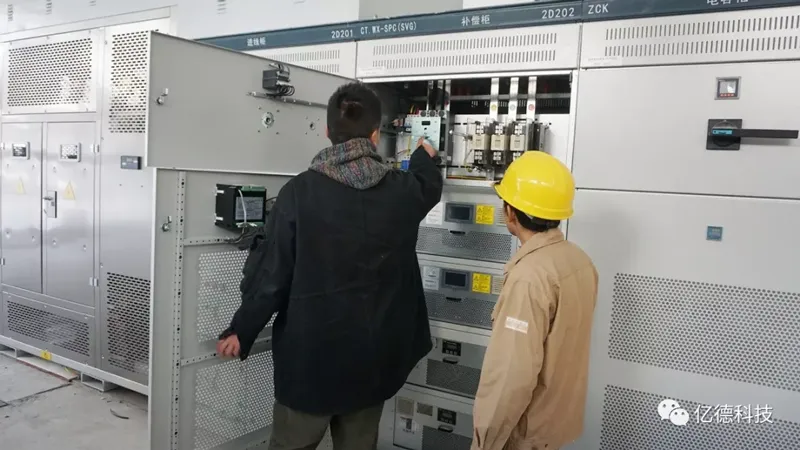
2019 Case Studies
Power Distribution for Benoy Laser Industrial Park
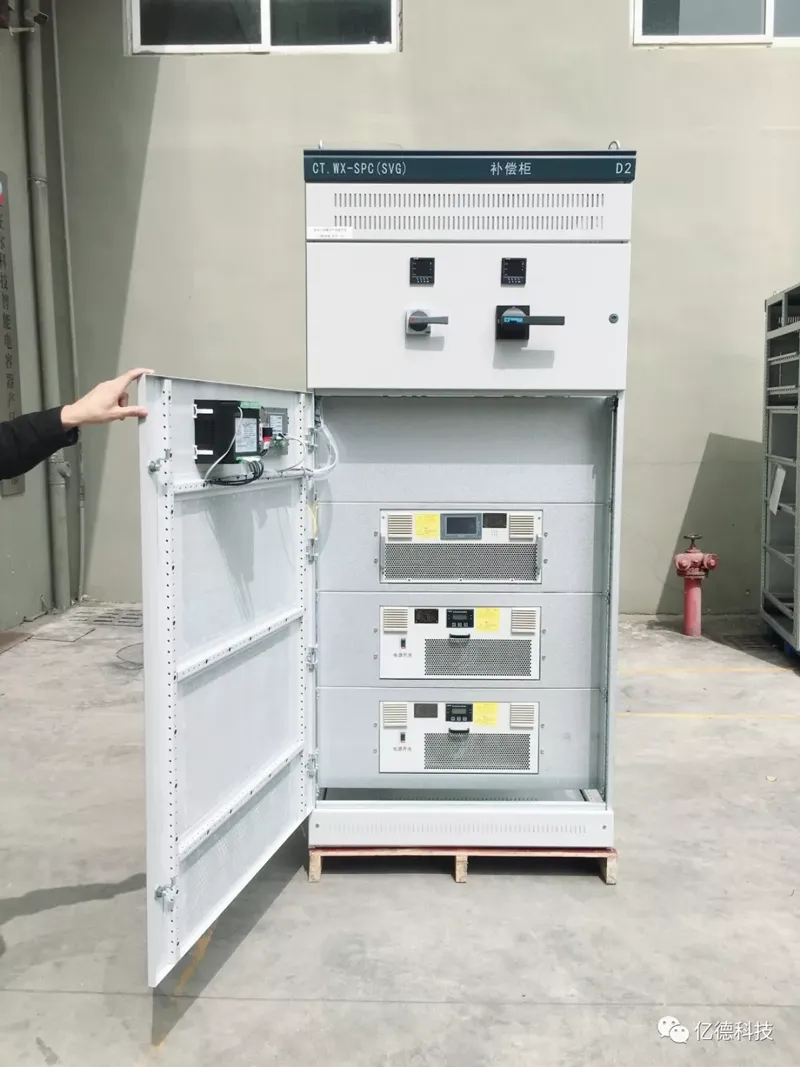
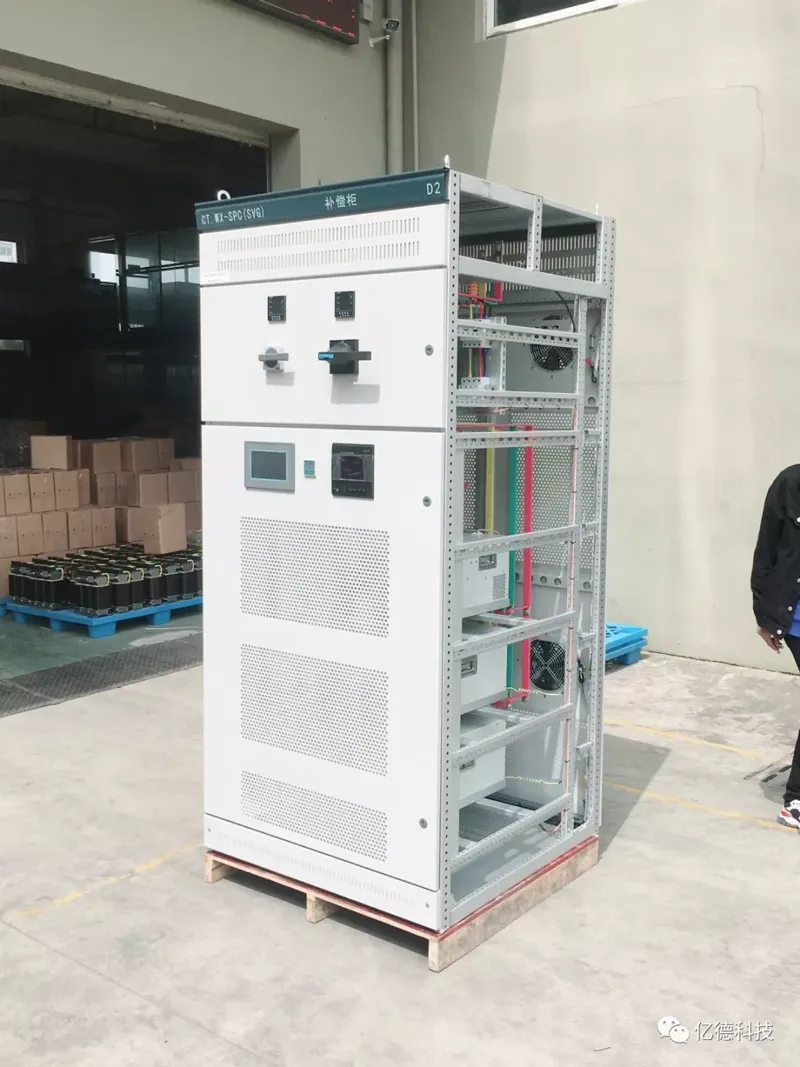
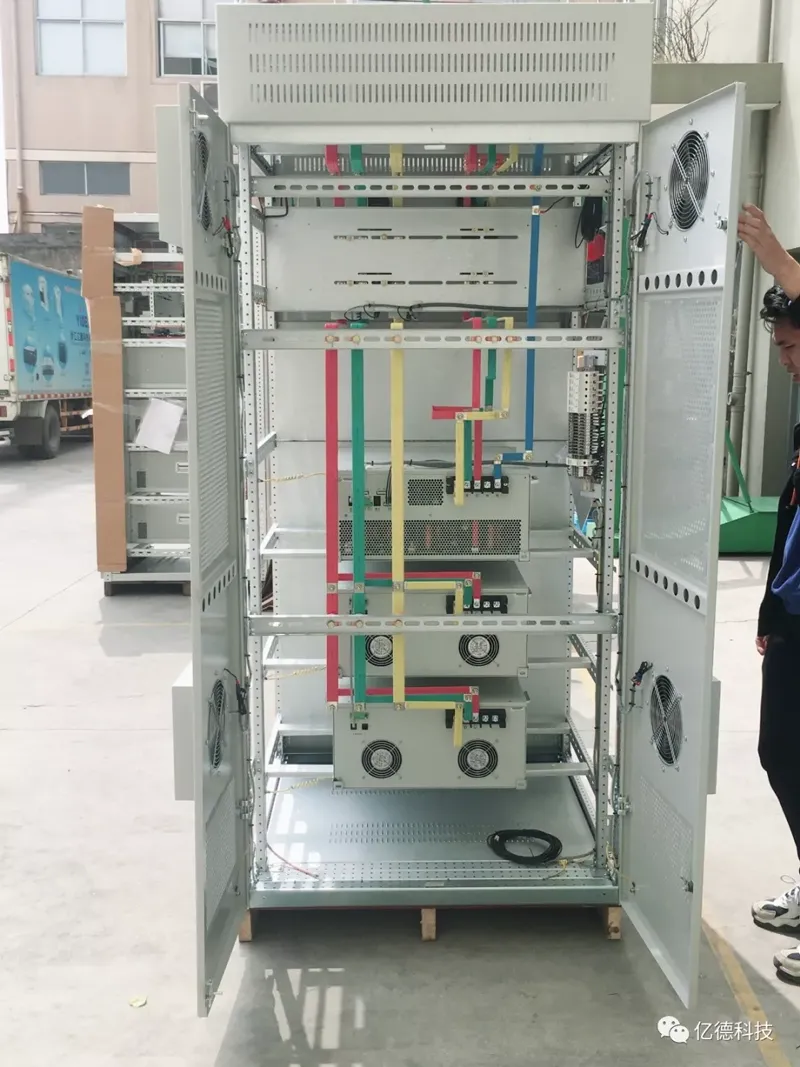
TSVG low-voltage dynamic compensation cabinet
■ High efficiency — response time less than 10ms
■ Authoritative Certification – National CCC Authoritative Certification
■ Monitoring and Warning – Automatically records power quality statistics, events, interference, etc., and issues real-time warnings when limits are exceeded.
■ Precise compensation –Fifth-generation IGBT, high-speed switching frequency, extremely low switching loss.
Technological advancement
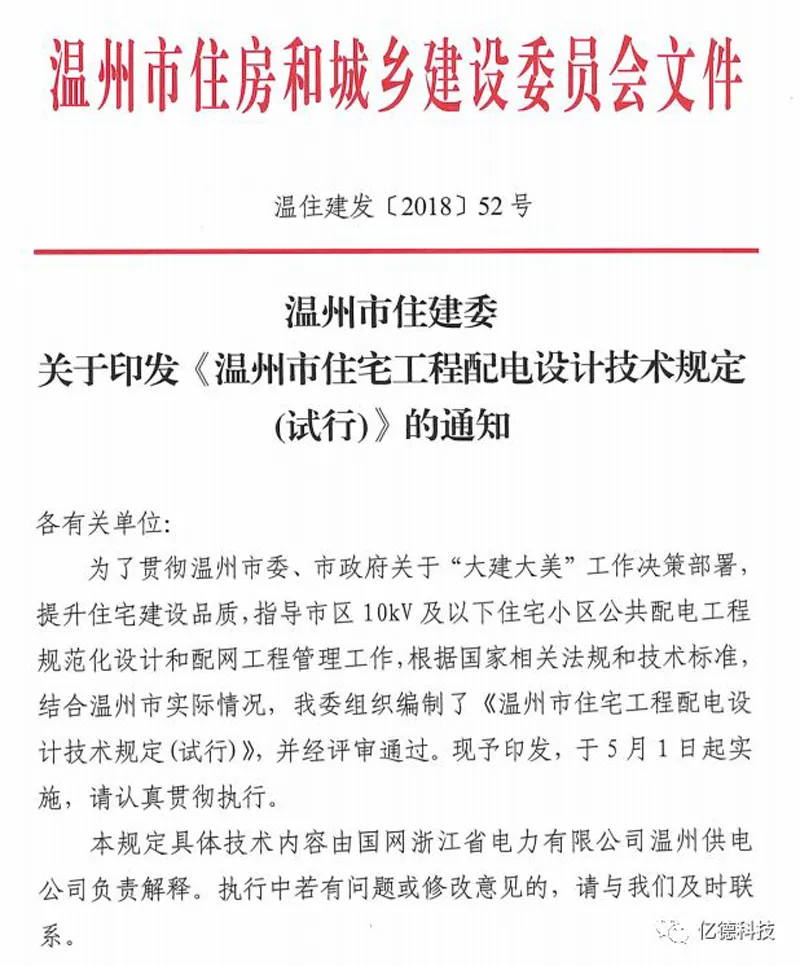
To date, we have continuously innovated and upgraded our technology, and in order to address this load phenomenon, we followed the instructions in section 4.2.10 of the "Trial Implementation of Technical Regulations for Power Distribution Design of Residential Projects in Wenzhou" issued by the Wenzhou Municipal Housing and Construction Commission in May 2018.
Another technological innovation is adopting a new generation of pre-charged synchronous switches, fifth-generation IGBTs, FPGA+ARM control cores, and manufacturing processes to ensure high stability and enhance the power quality for users.
Conclusion
China has become the world's largest charging pile market, and the operation of large-scale charging infrastructure has brought new challenges to power services. On the other hand, the increase in electric vehicles is also increasing the demand for stable high-current power supply, and some unreasonable wiring may increase the risk of tripping protection devices at various levels of the distribution network, posing significant electrical safety hazards and posing a considerable challenge to the safety management of the power distribution system. Faced with these electrical challenges in the charging pile industry, Yide Technology has consistently developed and innovated high-quality products to meet the market demand for power quality solutions for charging piles. At the same time, it has created low-voltage component solutions for power quality issues in charging piles and is committed to rapidly promoting the standardization of charging facilities to ensure the reliability of charging pile equipment. Yide Technology will continue its efforts to further enhance its innovation capabilities, strive to provide solutions for power quality problems in charging piles, and lead the electrical industry with five-star quality and five-star service!