 Home
Home


For further details, please contact us.
Contact Us
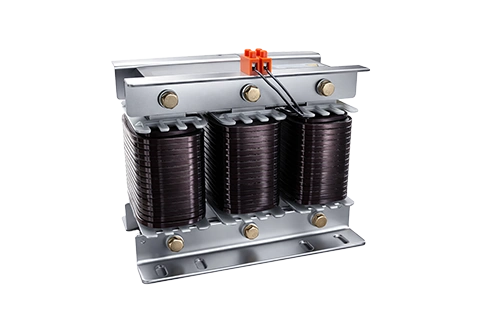
A detuned reactor is a series-connected inductor installed with a capacitor bank specifically to shift the combined reactor-capacitor circuit's resonant frequency away from the harmonic frequencies already present on your system, preventing that resonance from amplifying harmonic currents and overloading the capacitors.
The reactor's rate, expressed as a percentage such as 7% or 14%, sets how far below the fundamental the tuned frequency sits: a higher percentage tunes the circuit to a lower frequency, moving it further away from the harmonics generated by non-linear loads such as variable-frequency drives, rectifiers, and UPS systems.
In practical terms, a 7% reactor tunes the circuit to roughly 190Hz, which sits between the 3rd and 5th harmonic orders, while a 14% reactor tunes to roughly 134Hz, sitting just below the 3rd harmonic order.
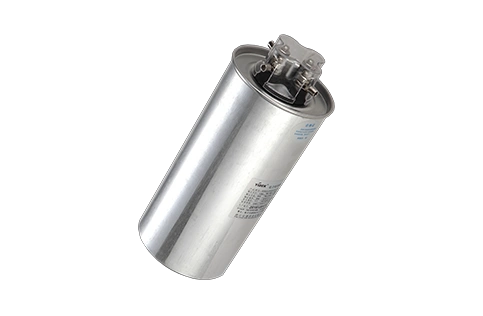
This difference in tuned frequency is what determines which harmonic orders each reactor rate can safely handle without risking resonance amplification. For a deeper understanding of how detuned reactors work alongside capacitors, you can explore our power capacitor and reactor product page.
7% vs 14%: How to Decide Based on Your Harmonic Profile
Because a 7% reactor tunes below the 5th harmonic but above the 3rd, it is generally suitable for sites where the dominant harmonic pollution starts at the 5th order and above, which describes many general industrial and commercial facilities with a moderate mix of non-linear loads.
A 14% reactor tunes below the 3rd harmonic order, which is the appropriate choice when the site has significant triplen (3rd-order and multiples) harmonic content — commonly seen in facilities with a high proportion of single-phase non-linear loads, or heavy variable-frequency-drive and rectifier loads that push harmonic distortion down into the lower orders.
Choosing the lower rate where a higher one is actually needed risks resonance and overloading the capacitor bank; choosing a higher rate than necessary is generally safe but adds a small amount of extra reactive-power consumption and cost from the larger reactor, so the decision should be based on an actual harmonic assessment rather than a default assumption either way.
A quick site-level power quality measurement showing which harmonic orders dominate is the most reliable way to make this call, rather than defaulting to whichever reactor rate was used on a previous, unrelated project. For comprehensive harmonic solutions, you can also refer to our harmonic mitigation solution page.
Getting the Reactor Rate Confirmed for Your Site
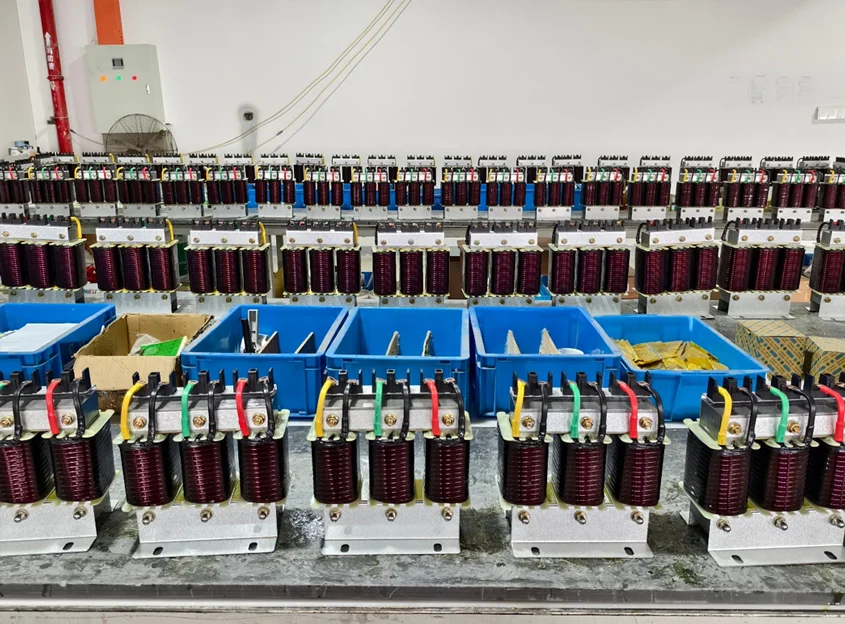
The right reactor rate for a specific installation depends on the harmonic spectrum measured or estimated at that busbar, which in turn depends on the mix of loads connected to it — VFDs, welding equipment, UPS systems, and general motor loads all contribute differently to the harmonic profile.
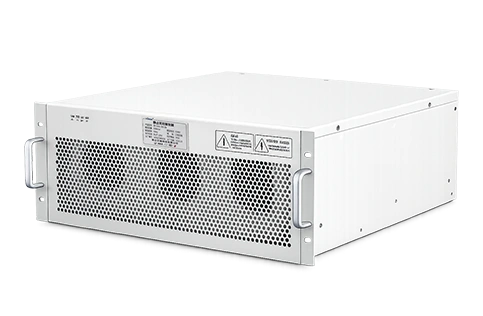
YIDEK's capacitor bank and PFC systems are supplied with detuned reactors sized to match the capacitor rating and the reactor rate specified for the project; because the exact electrical parameters vary by capacity and voltage class, the specific reactor rating for your installation should be confirmed with our engineering team against your site's harmonic profile rather than assumed from general guidance alone. To explore complete compensation systems that integrate detuned reactors, visit our capacitor bank and PFC system page.
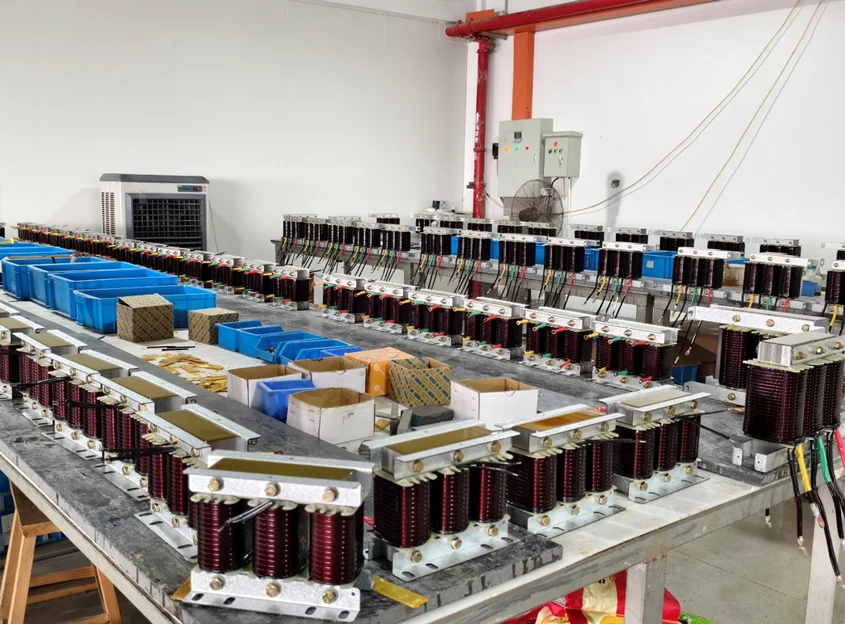
Contact our engineers to confirm the detuned reactor rate that matches your site's harmonic profile.
Related Reading
-
Power Capacitor Basics: How It Corrects Power Factor
-
APF vs SVG: What’s the difference, and which does your factory need?
-
Harmonic Mitigation Solutions for Industrial Plants
-
Power Factor Correction Solutions for Your Facility